Congenital hyperinsulinism (HI) is the most frequent cause of severe, persistent hypoglycemia (low blood sugar) in newborns. A healthy brain relies on glucose as its primary source of energy, and so untreated or improperly treated hypoglycemia can be dangerous. Without enough glucose, permanent brain damage can occur, potentially impacting a child’s development. The risk of brain damage is higher if HI is not diagnosed and treated quickly or if treatment does not work well at preventing ongoing hypoglycemia. However, with the right treatment, hypoglycemia can be managed, and brain damage can be avoided. Treatment options for people with HI are actively evolving through on-going clinical trials.
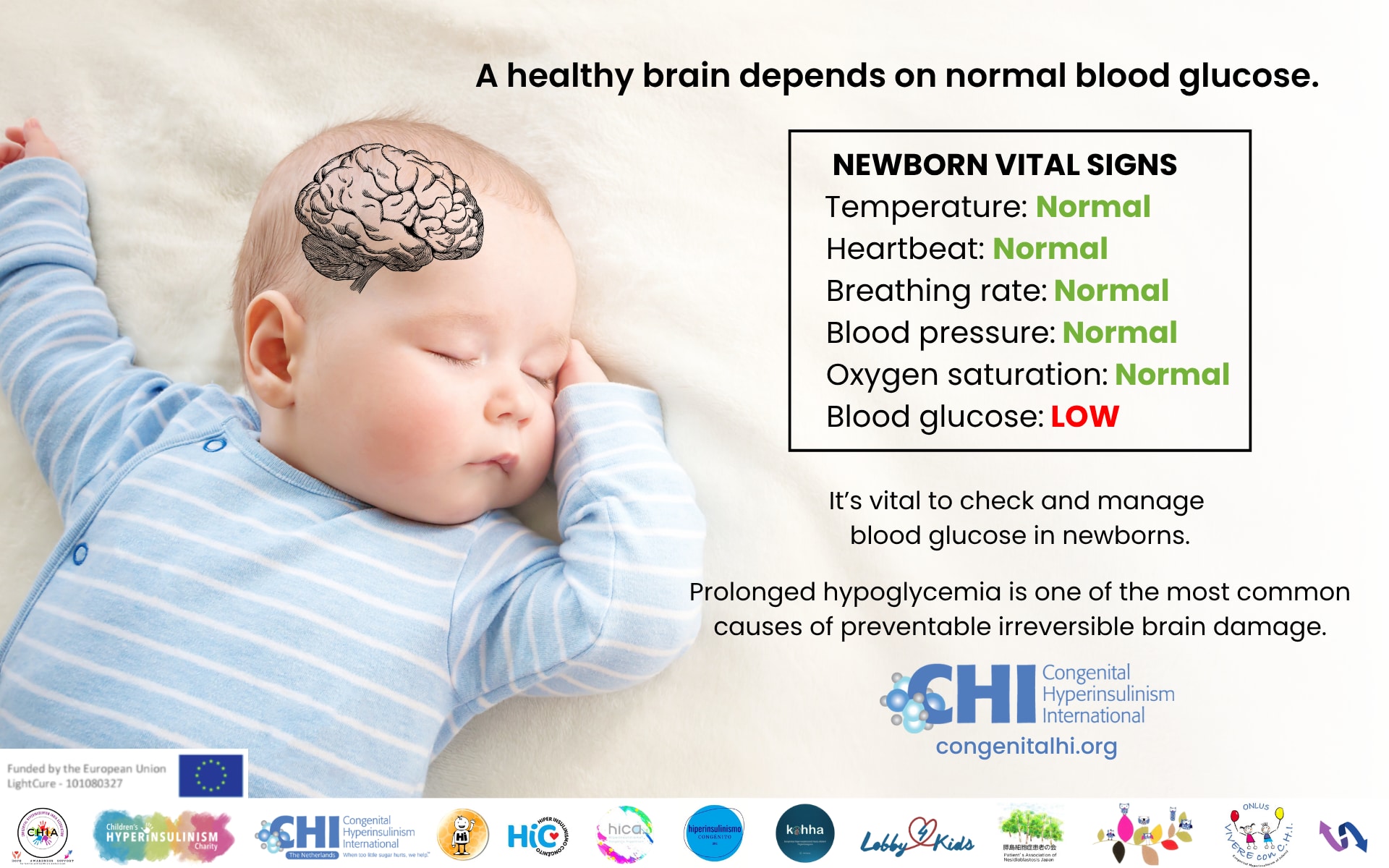
“In babies with HI, the pancreas secretes insulin in an uncontrolled way, even when blood glucose levels are low. These babies present at birth with severe hypoglycemia that can lead to irreversible brain damage therefore recognizing the condition and treating it is of the greatest urgency,” says Diva De Leon-Crutchlow, MD, director of Children’s Hospital of Philadelphia’s Hyperinsulinism Center and Chief of the Division of Endocrinology at CHOP. “In hospital maternity wards and pediatricians’ offices, glucose is a vital sign that must not be ignored.”
Share this message on Social Media
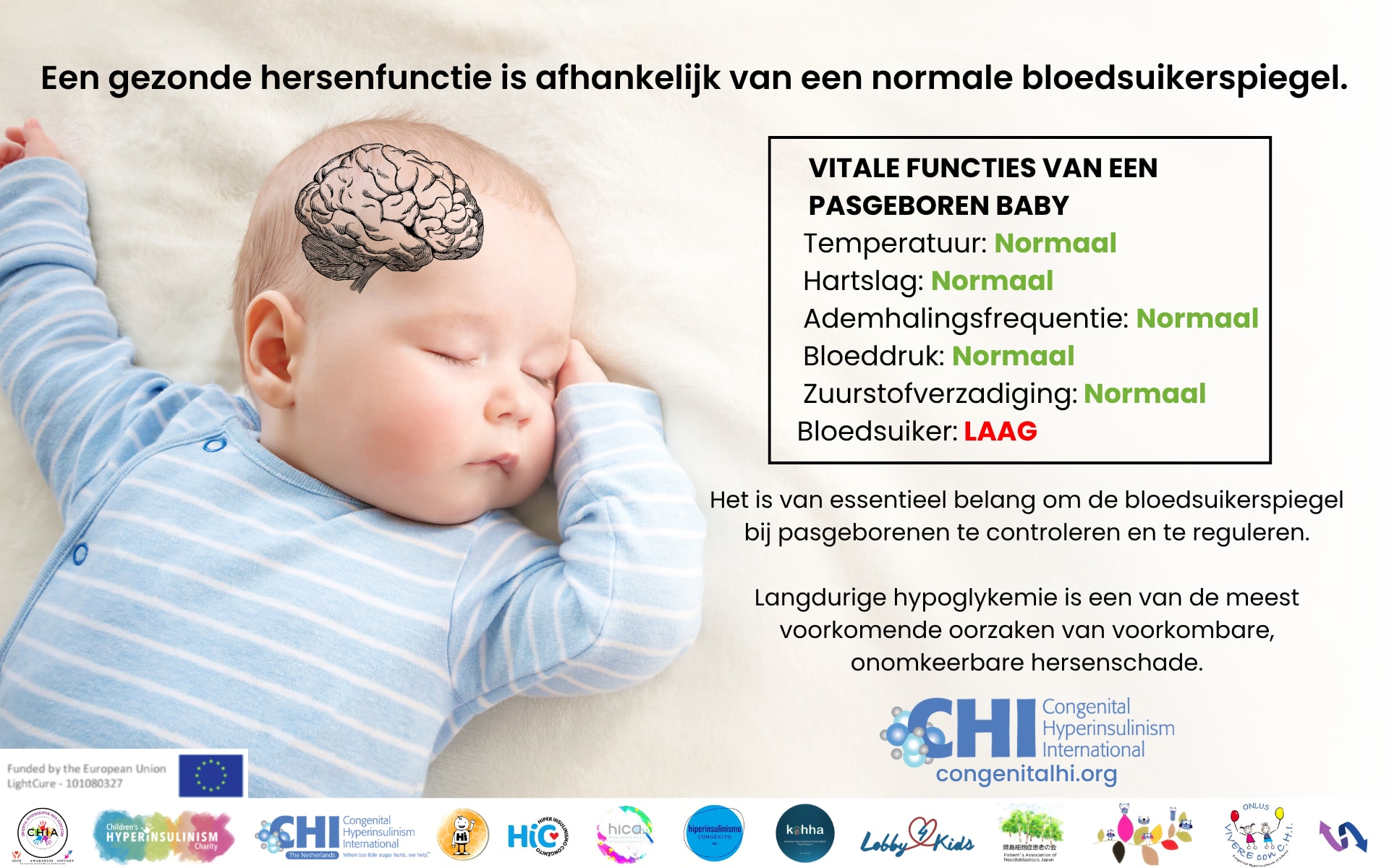
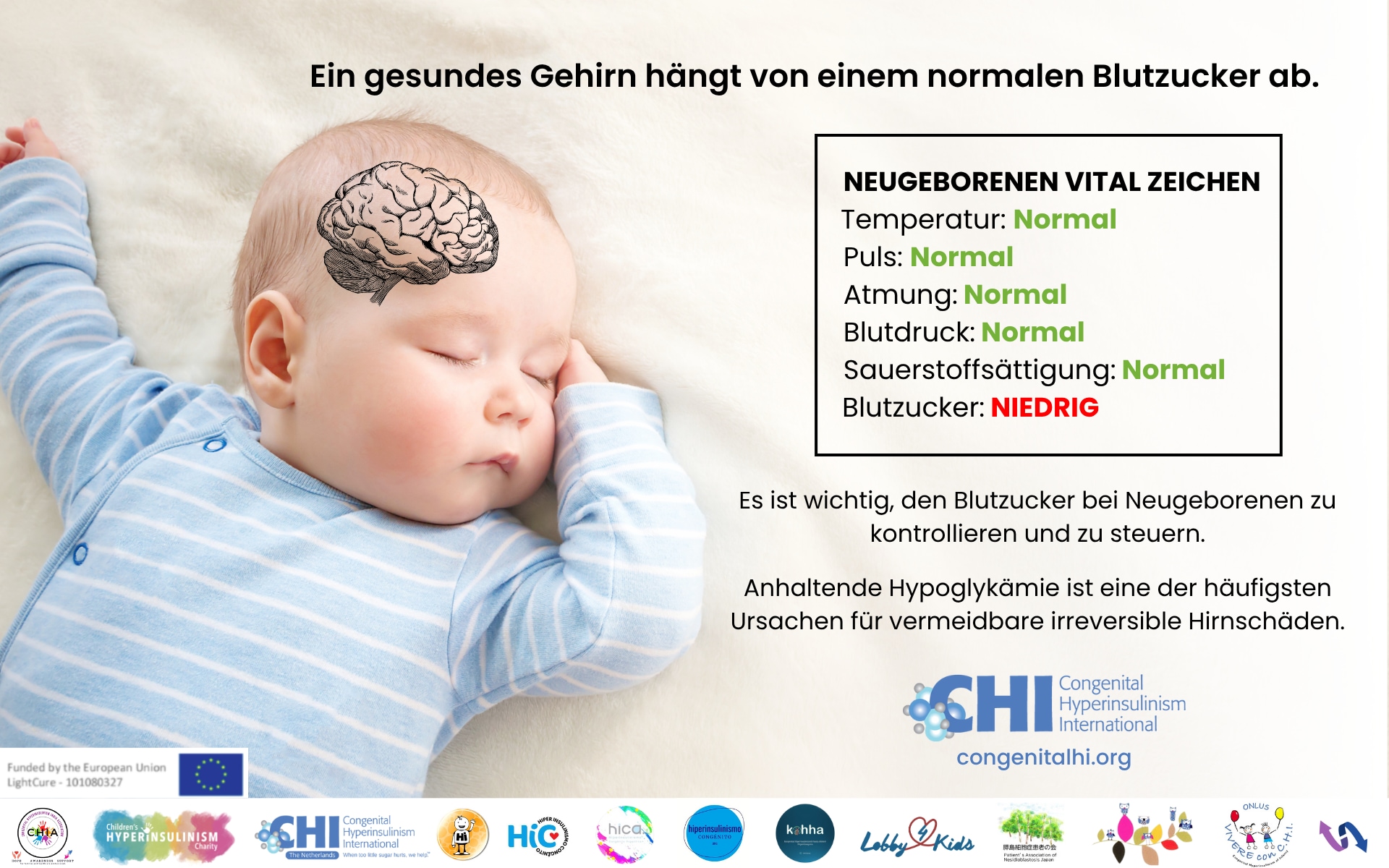
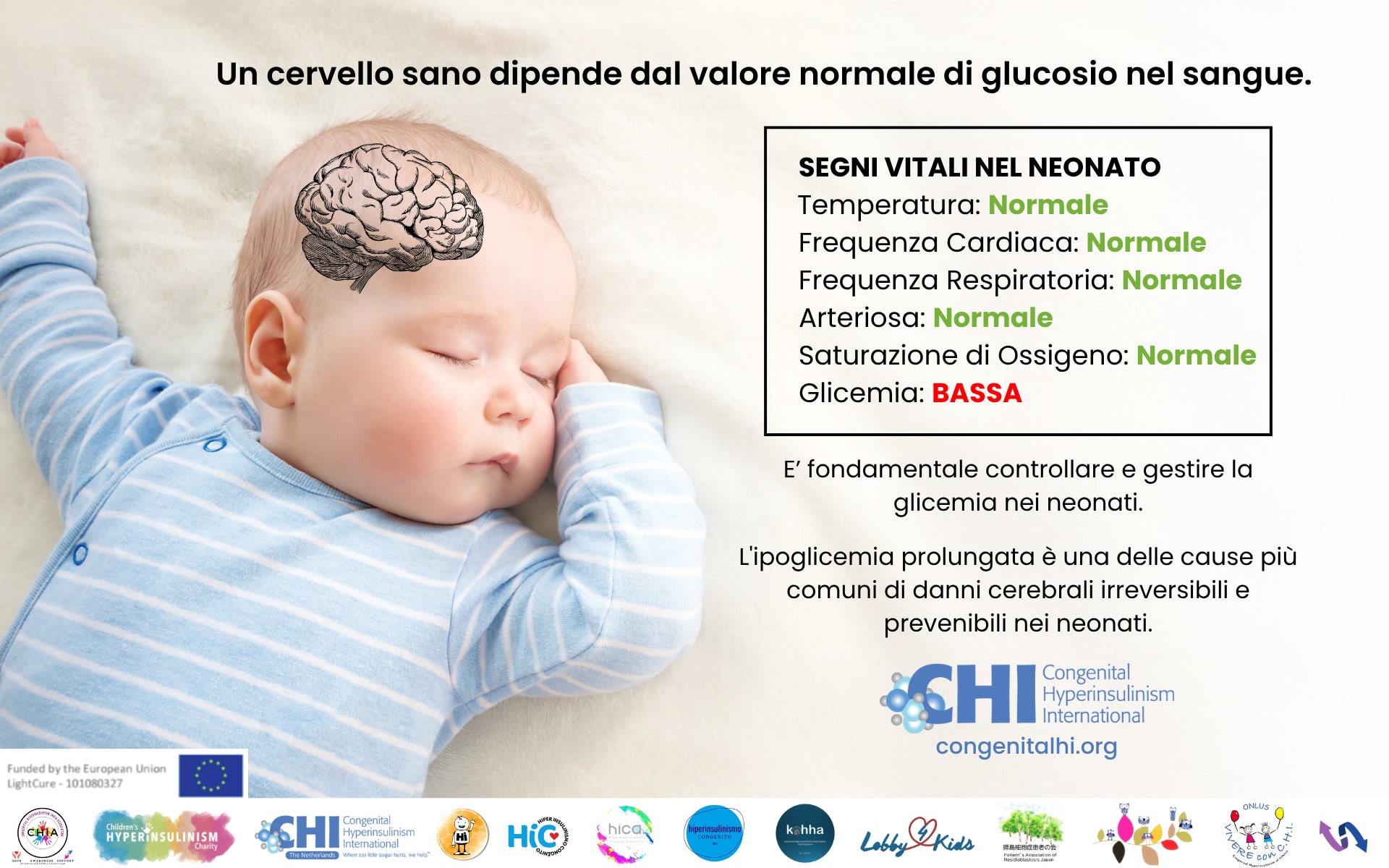
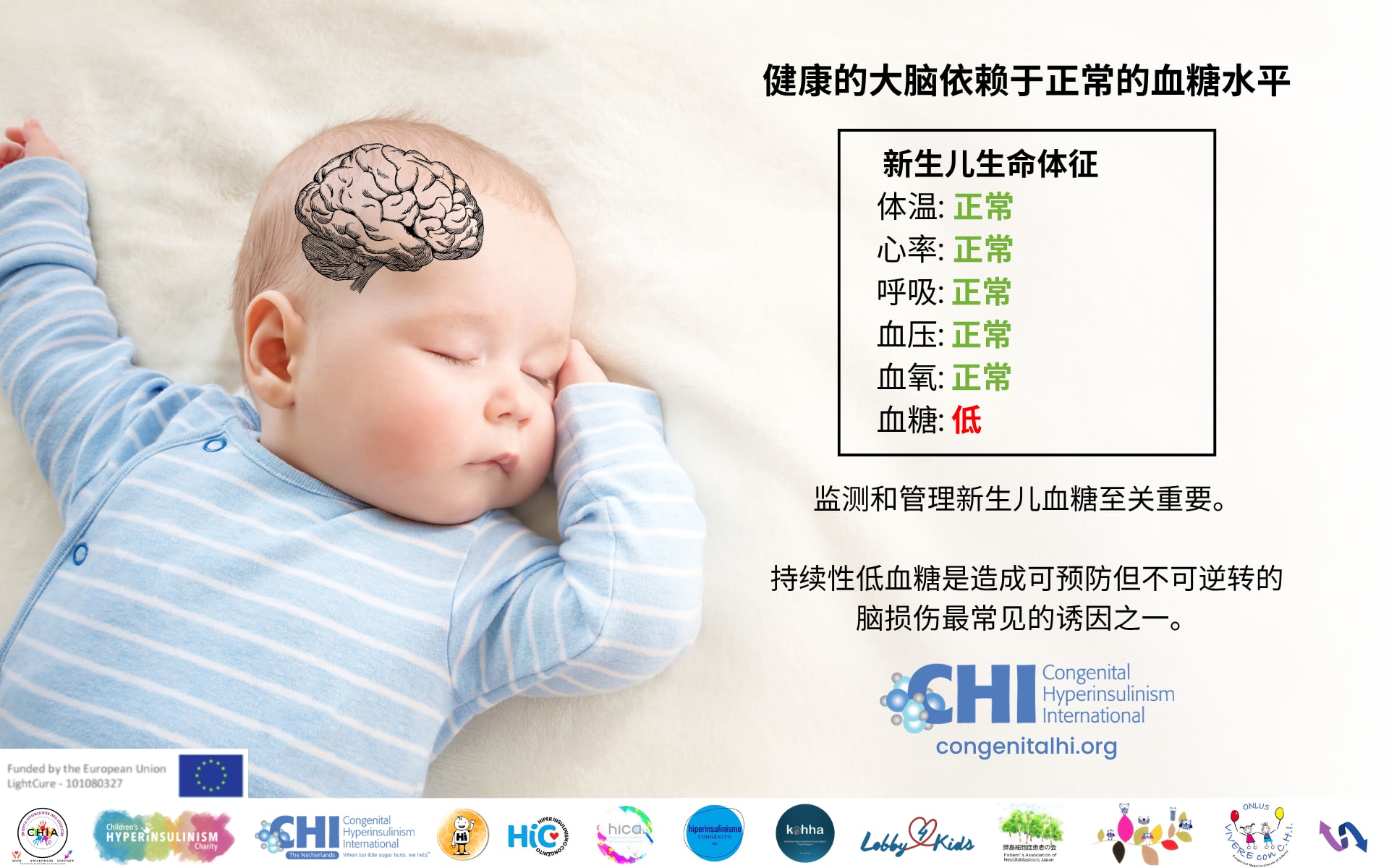
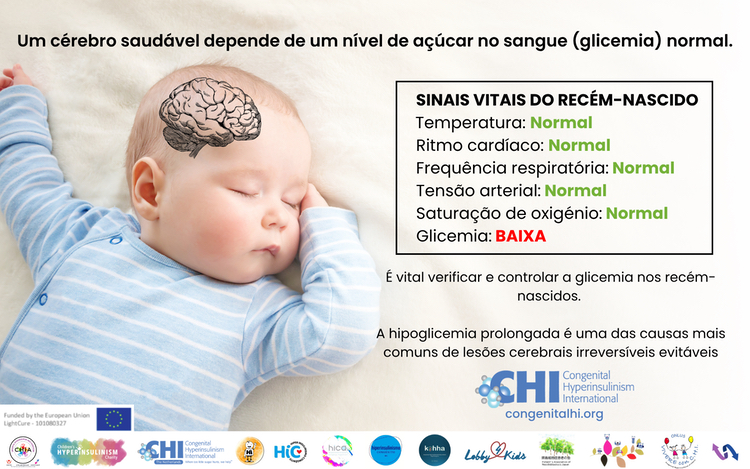
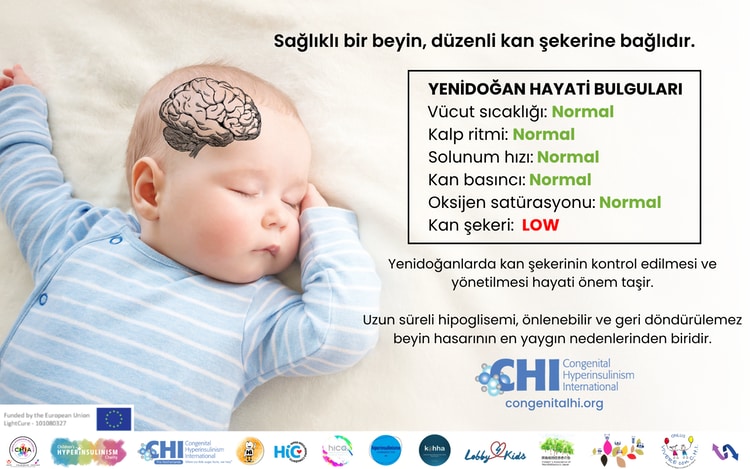
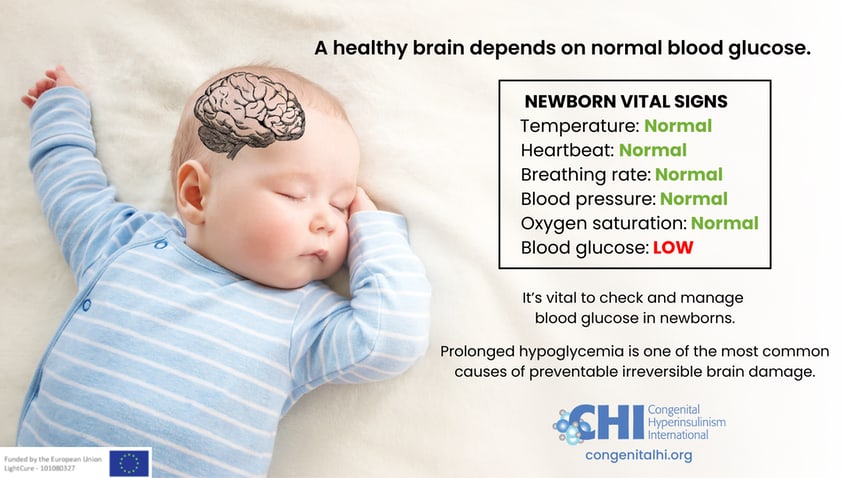
We encourage you to share a “Glucose as a Vital Sign” image on your social media, with family and friends, and with medical professionals. The images are available to download in multiple languages here below (clicking either link will initiate an automatic download of the image to your “Downloads” folder).